Advanced CNC techniques open the door to projects that feel far more refined, engineered, and artistic than basic 2D cutting. Once you’re comfortable with standard toolpaths, you can start exploring methods that push the machine’s capabilities and give your work a more professional edge. Here are some of the most impactful areas to grow into:
Multi‑Axis Machiningstrong>
4‑axis carving lets you rotate the workpiece, making it possible to cut spirals, columns, and rounded objects.
5‑axis machining adds tilt control, enabling extremely complex surfaces and sculptural form.
3D Carving & Relief Workstrong>
3D toolpaths allow you to carve topographical surfaces, detailed reliefs, and organic shapes.
Ball‑nose finishing produces smooth contours with minimal sanding.
Inlays, Joinery & Precision Assemblystrong>
Multi‑layer inlays combine contrasting materials for decorative panels and signage.
CNC joinery—like finger joints, dovetails, and mortise‑and‑tenon—creates strong, repeatable furniture‑grade connections.
Hybrid Techniquesstrong>
CNC + laser workflows let you cut with the CNC and engrave with a laser for crisp detail.
CNC + hand finishing blends machine precision with artisan texture.
Workflow Optimization
Adaptive clearing removes material efficiently while reducing tool wear.
Custom jigs and fixtures improve repeatability and accuracy for batch production.
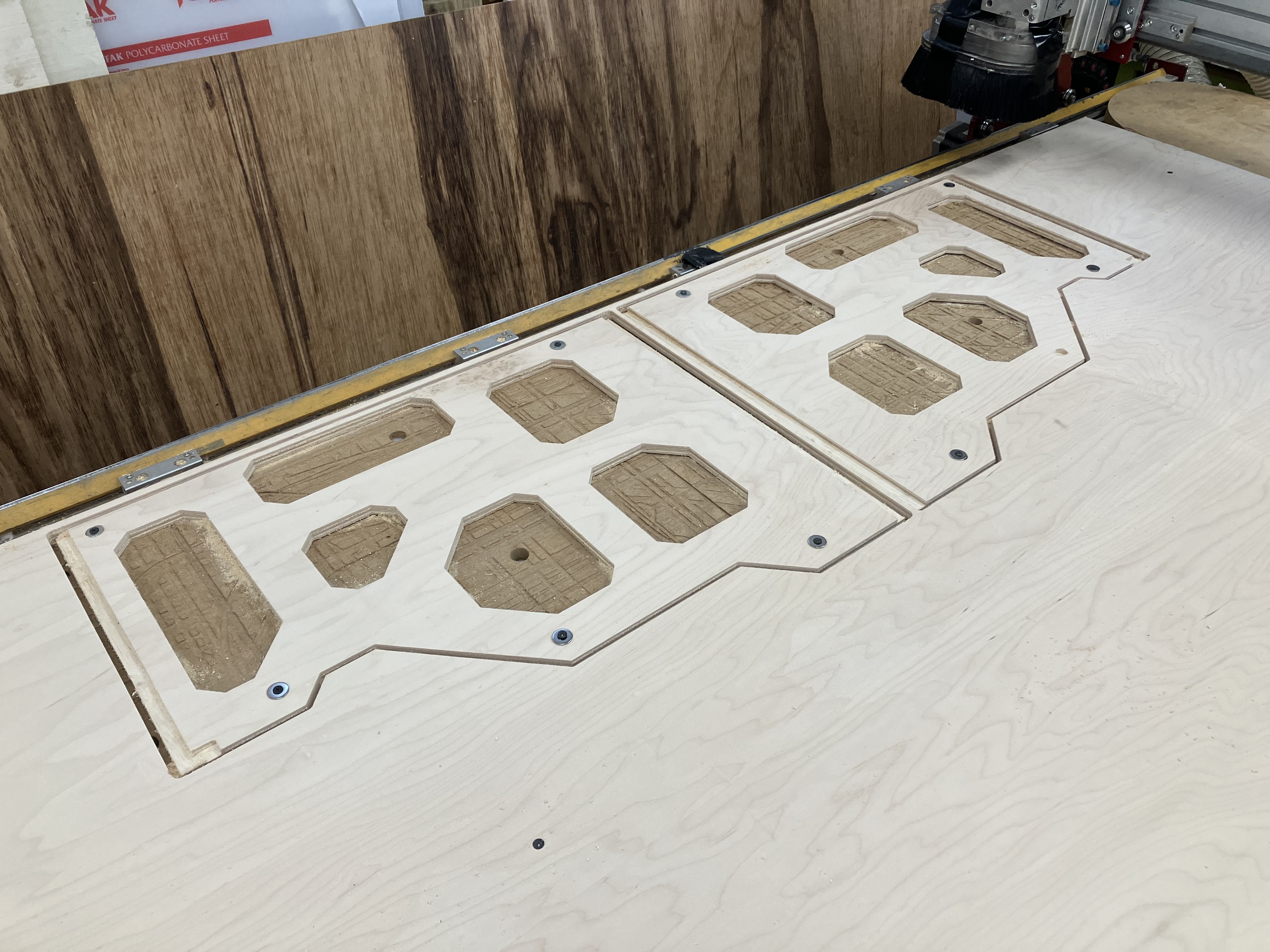 CNC Milling Plywood
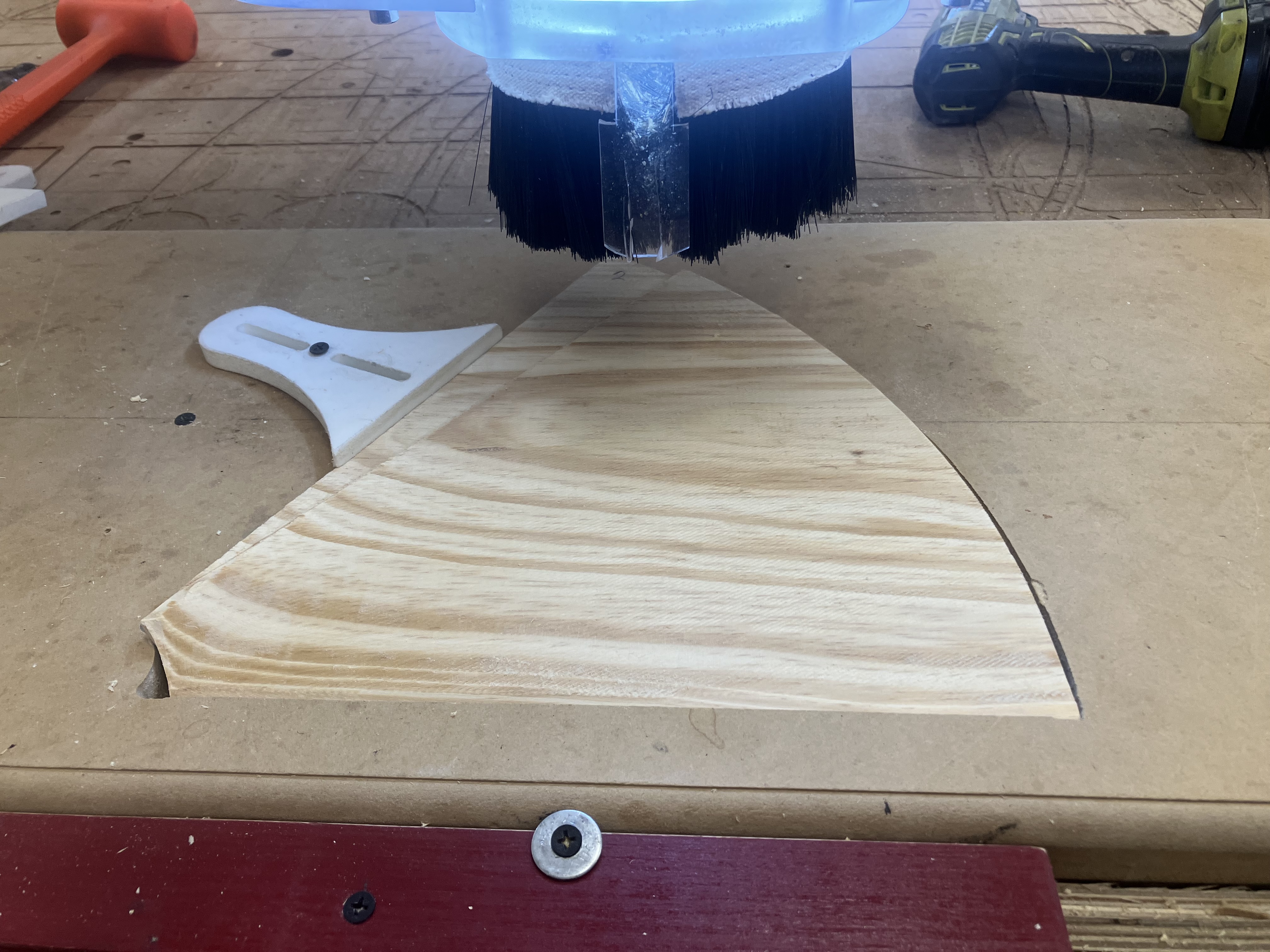 CNC Milling Solid Wood
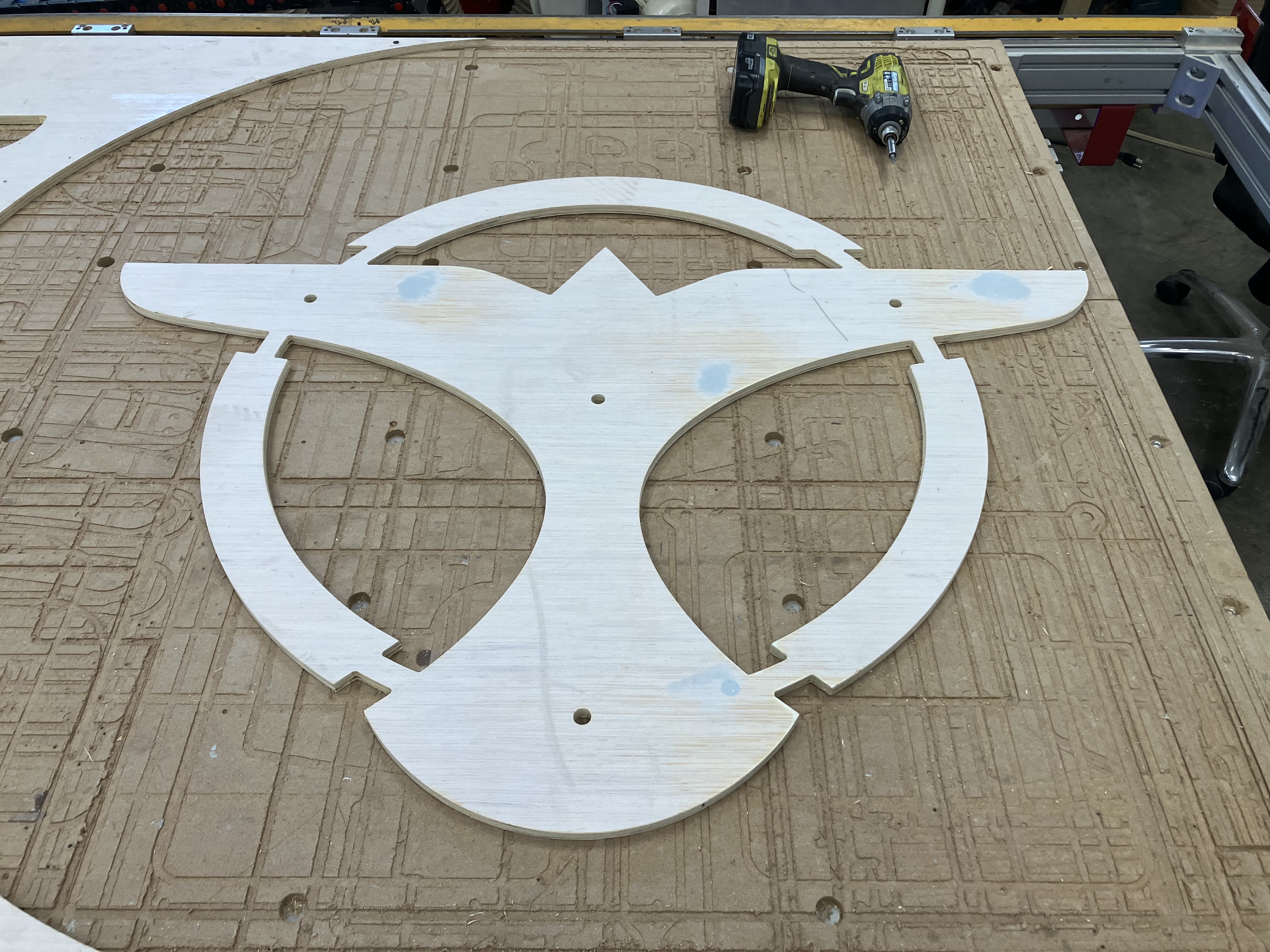 CNC Milling Custom Designs
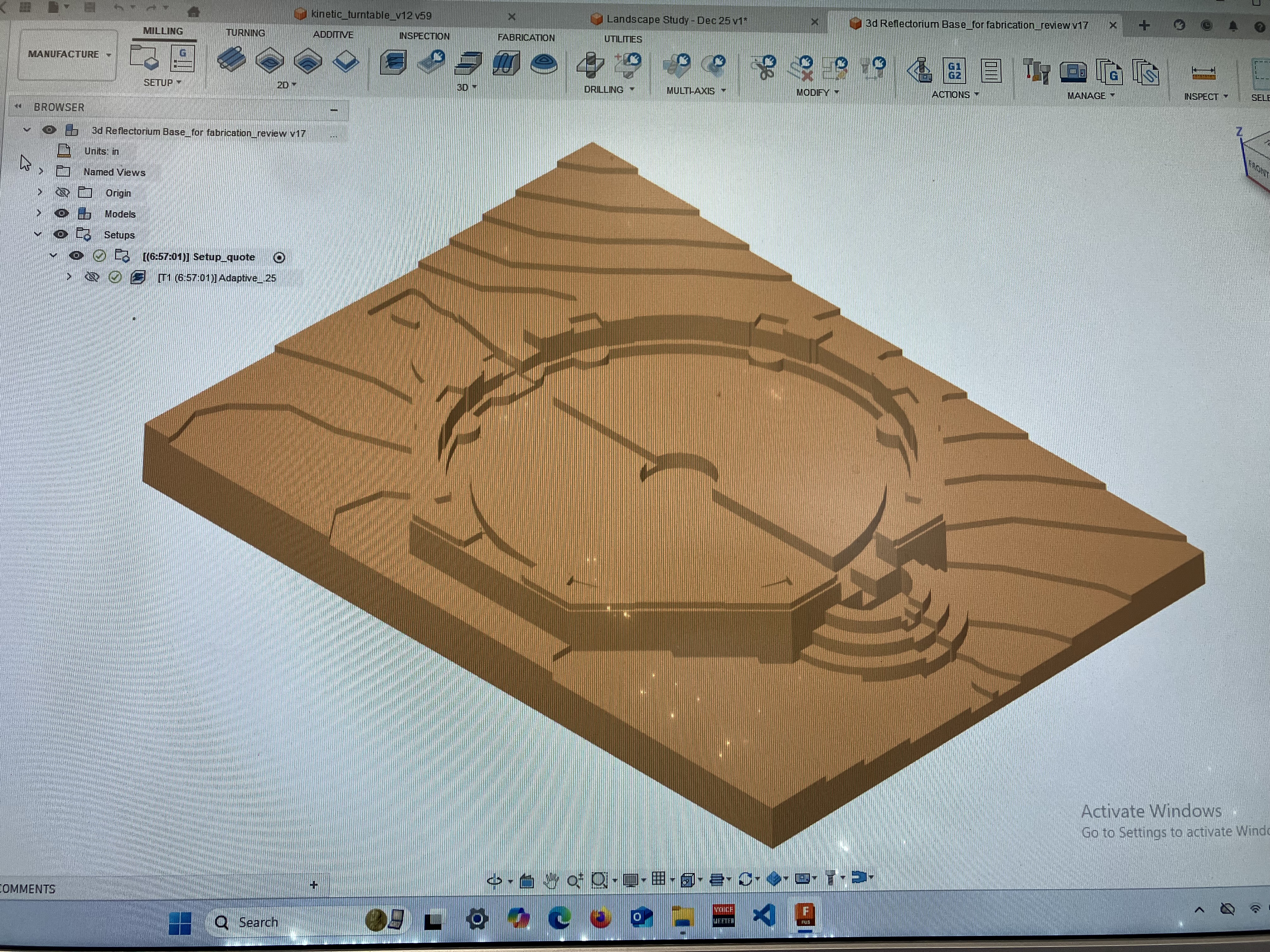 We Offer CAD CAM